
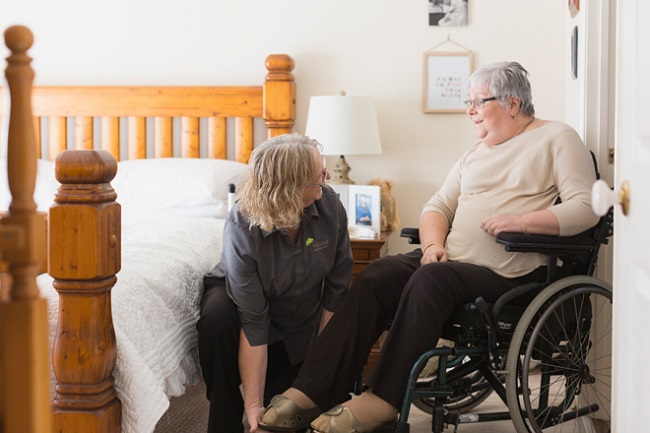
Seniors is often a period of hardships, both physical and emotional, and most of the seniors prefer living at home for as long as possible. This is because the feeling of independence one gets out of living at home for most of the time and the very idea of paying for any assisted services makes a senior flutter. However, like it or not, there are various activities of daily living (ADLs) that include bathing, grocery shopping, driving or dressing up that becomes a lot tough for the seniors. This is precisely why seniors need assistance during their old age, and in-home care is the best facility available for this.
In-home care specialists and providers offer senior citizens services like health care, other services and even provide companionship to make them feel relaxed and lead a happy life. Senior Citizens need their independence, and the specialists understand that as they come to your house to offer palliative care. A recent study suggests that around 8000 people retire every day and this means more competition amongst in-home care providers, which as a direct consequence means better services on provide for seniors at much lower prices.
Why do Seniors Need In-home Care?
A recently concluded survey data shows that as much as 90% of the seniors wish to spend most of their time at home. Moreover, if you are a senior reading this, you views most probably resonate with the survey findings. Your home is where you find yourself feeling most comfortable because it is the most familiar thing in your life. On the other hand, if you move out and start living in a community home, you will probably find yourself out of place or at best, will have to start all over again. Further, you might have to share your room with a stranger – an idea not many seniors out there will agree to do.
However, in-home care is truly a game-changer in this aspect. With this service, you can stay as independent as you want to be. Further, it helps you stay happy as well, given the effects the ageing already affecting you. For instance, if you decide to go for surgery, you can very well stay at your home and recover, instead of going to a nursing home. An in-home nurse aids you while another home help takes care of your home until you have recovered. Since the place is yours, you will feel more comfortable, and a result will be able to recover quickly.
Related study findings corroborate with this idea. According to the study, the seniors who opted for palliative care frequented the doctor 25% lesser to those who did not take in-home services. Moreover, clients who had Alzheimer’s showed even better results, with their trips to the doctor coming down to 50% of what it was without in-home care. This takes us to our next question.
What are the various types of in-home care available?
Not each home care service is the same, and there are numerous services available to match the requirement of any type of need. For instance, someone with Alzheimer’s may not need medical health as such, owing to his good health. However, he may need help in paying his bills, grocery shopping or getting to his appointments to name a few. So, he can opt for such home help without hiring the medical help of any kind.
Medical assistance is provided by licensed medical professionals which include physicians, nurses, physician’s assistant (PA) and other speciality health care professionals who usually offer their services under the aid of a physician. According to a recent survey, most common health care help opted by seniors was an in-home nurse (60%), followed by physical therapists (59%) and another 32% opted for occupational therapists.
On the other hand, non-medical professionals include personal care attendants, home health aides, companions, and homemakers to name a few. Home health aides help seniors like you with all the activities of daily living (ADLs) which includes bathing, dressing, feeding, grooming, oral care, toileting, and other regular activities. Other instrumental activities include cooking, housekeeping, and laundry to name a few. Respite care is another important service which is useful for quick services and timely help. This is often preferred in sudden emergencies.
Value for money – in-home care or continuing care?
Cost is a factor when we take any such decision. To help you in making the right choice, here are some numbers that can make it easier for you to choose which service you should go for.
- Nursing Homes cost about $222 per day for a separate room while in the case of shared room; it is $200.
- Complete assisted living facilities including meals, housekeeping, etc. cost about $3300 per month.
- In-home care costs average at $19 per hour for health aides, $18 an hour for a homemaker. About 82% of aides are trained in dealing with patients who have Alzheimer’s. With no additional costs charged, availing the minimum required 4-hour service would cost only about $76 per day.
So, in-home care is definitely affordable and is of great help for senior citizens. Therefore, one can easily opt for one of these in-home services depending on the kind of services one requires and the number of hours required. Please follow us if you would like to know more about our services.
Prestige Inhome Care – Head Office
32/328 Reserve Rd, Cheltenham VIC 3192
1300 103 010
Prestige Inhome Care – Mornington Peninsula
230 Main St, Mornington VIC 3931
(03) 5973 6455
Prestige Inhome Care – Geelong
130 Yarra St, Geelong VIC 3220
(03) 5222 8580
Prestige Inhome Care – Camberwell
Camberwell VIC 3124
(03) 9813 1933

