
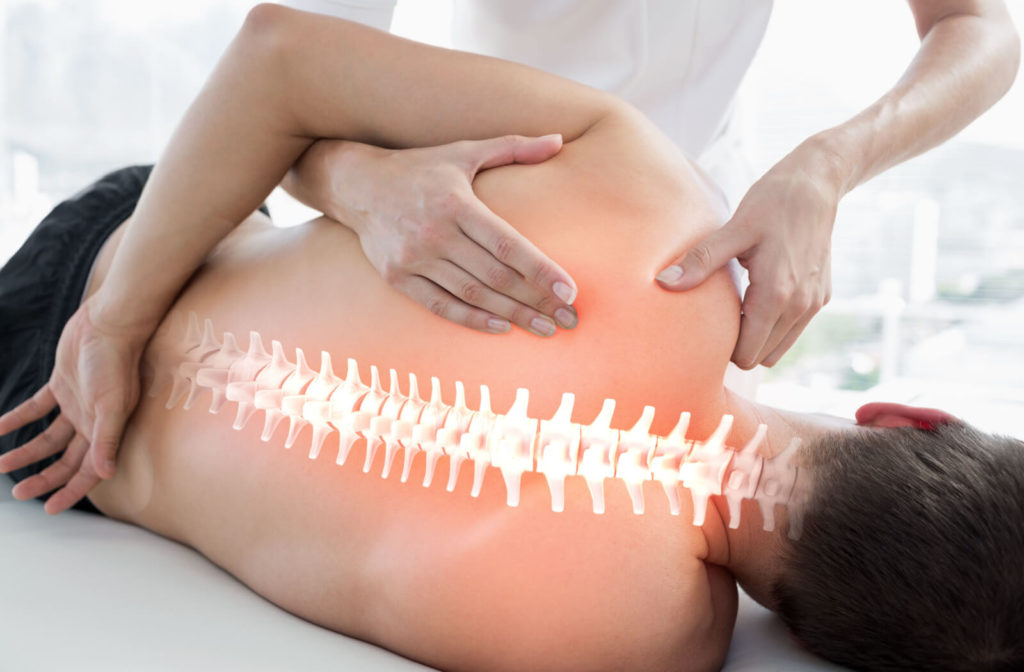
Lower back pain is one of the most common physical complaints affecting people of all ages. In today’s sedentary lifestyle, prolonged sitting, poor posture, and repetitive movements frequently place stress on the lumbar spine. As a result, many individuals experience discomfort that interferes with daily activities.
While occasional stiffness may resolve on its own, persistent or recurring pain often requires professional attention. For this reason, physio for lower back pain has become a trusted and effective approach for restoring movement, reducing discomfort, and preventing future episodes.
What Causes Lower Back Pain?
Lower back pain can arise from several factors. Most commonly, it develops due to muscle strain, ligament sprains, or disc-related issues. In addition, prolonged sitting weakens core muscles that support the spine, increasing vulnerability to injury.
Moreover, poor lifting techniques, repetitive bending, and sudden increases in physical activity can overload spinal structures. In some cases, conditions such as sciatica, joint dysfunction, or spinal misalignment may further complicate symptoms. Because the lower back plays a central role in posture and movement, even minor imbalances can lead to significant discomfort over time.
How Physio for Lower Back Pain Supports Recovery
Physio for lower back pain focuses on identifying the root cause of discomfort and improving overall function. A physiotherapist begins with a detailed assessment of movement patterns, posture, muscle strength, flexibility, and daily habits. This personalized evaluation helps determine the specific areas of dysfunction that need attention.
Based on these findings, a personalised treatment plan is developed. Consequently, therapy targets pain reduction, improved mobility, and long-term functional recovery. By addressing the underlying dysfunction, physiotherapy helps prevent recurring flare-ups and chronic pain.
The Importance of a Personalised Assessment
One of the greatest strengths of physiotherapy is its individualised approach. Rather than using a one-size-fits-all method, therapists evaluate how each person moves and where compensations occur.
During the initial consultation, physiotherapists typically assess:
-
Pain patterns and triggers
-
Daily activities and work habits
-
Previous injuries or health conditions
-
Personal recovery goals
As a result, treatment becomes more precise, effective, and sustainable in the long term.
Physiotherapy Techniques Used for Lower Back Pain
Physiotherapy for lower back pain incorporates a range of evidence-based techniques. Each method serves a specific purpose in the recovery process.
Manual Therapy
Hands-on techniques such as soft tissue mobilisation and joint mobilisation help reduce stiffness. Additionally, they improve circulation and relieve muscle tension, which supports pain reduction.
Targeted Exercise Therapy
Specific exercises are prescribed to strengthen core stabilisers, improve flexibility, and support proper spinal alignment. Over time, stronger abdominal, gluteal, and back muscles reduce strain on the lumbar spine.
Posture and Movement Training
Many people unknowingly adopt habits that stress the lower back. Therefore, posture education and movement retraining are essential for reducing daily strain and preventing reinjury.
Education and Self-Management
Physiotherapists also teach self-management strategies. For example, patients learn ergonomic adjustments, pacing techniques, and safe movement principles to manage symptoms independently.
Why Early Physiotherapy Intervention Matters
Ignoring ongoing lower back pain can lead to compensatory movement patterns and reduced activity levels. Eventually, this may result in muscle deconditioning and chronic discomfort.
Early physiotherapy intervention helps address issues before they worsen. Furthermore, it reduces the likelihood of secondary problems, such as hip or knee pain caused by altered movement mechanics.
Integrating Physiotherapy Exercises into Daily Life
Recovery does not end after a clinic session. In fact, consistent home exercise is crucial for lasting results. These programs typically focus on:
-
Stretching tight muscles
-
Strengthening core stabilisers
-
Improving movement control
-
Enhancing balance and coordination
When performed regularly, these exercises reinforce clinic-based treatment and build confidence in daily activities.
Managing Flare-Ups and Preventing Recurrence
Even with progress, occasional flare-ups may occur. However, physiotherapy equips individuals with tools to manage these episodes effectively.
Patients learn:
-
Safe lifting and bending techniques
-
Workplace ergonomic strategies
-
Proper sleep posture and mattress support
-
Gradual progression of physical activity
As a result, flare-ups become less frequent and easier to control.
Long-Term Benefits of Physiotherapy for Lower Back Pain
Many individuals report improvements not only in pain levels but also in overall quality of life. For instance, mobility improves, confidence increases, and participation in daily activities becomes easier.
By setting realistic, lifestyle-specific goals, physiotherapy provides a clear roadmap for recovery. Ultimately, this approach supports both physical function and long-term wellbeing.
Empowering Long-Term Health Through Movement
Lower back pain should never be ignored when it affects quality of life. With the right support, physio for lower back pain offers a comprehensive, patient-centred solution.
By restoring movement, strengthening support structures, and educating individuals about their bodies, physiotherapy promotes lasting relief and physical resilience. Whether addressing acute pain or managing chronic discomfort, guided intervention helps individuals move with confidence and ease.

