
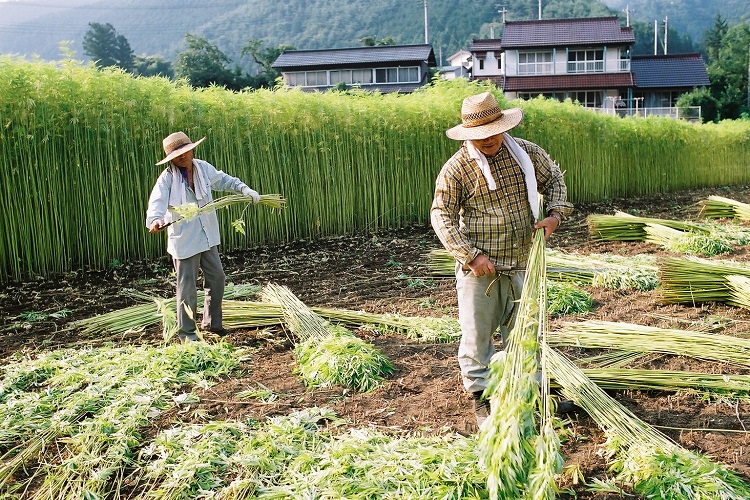
Marijuana seems to be in a heightened state of popularity. The legalization of its medical and recreational uses in some parts of the United States has incentivized many commercial industries to be part of the growing trend. Entrepreneurs and businesses do not want to miss the opportunity in a field still in its infancy and on pace to be profitable in a short period of time.
Understand the Law
Thirty states in the United States and Washington, D.C., have enacted laws legalizing marijuana for medical purposes. Individuals in the cannabis industry conducting business in states that have not passed legislation in favor of cannabis are breaking the law. Similarly, if an individual is in a state with medicinal cannabis laws but does not have medical authorization is also breaking the law. Although most states are legalizing and decriminalizing cannabis, some are not. Therefore, if you are cultivating, processing, or handling the cannabis plant without having the proper permits and licenses or are a user without a valid medical card, you can face severe criminal penalties. Such penalties for first-time offenders can include serving prison sentences ranging from several months to a few years.
Getting to Know the Plant
Before starting to cultivate marijuana, know the plant varieties. Cannabis is classified into two main groups that include Cannabis Sativa and Cannabis Indica. The sativa variety causes euphoria and satisfaction while the second strain causes tranquility and relaxation. The indicas also tend to be smaller and more compact plants while the sativas are taller and more spread out. Technology, however, permits the crossing of the two varieties, creating a new classification of hybrid strains.
Marijuana is a plant that produces a smell when smoked, but also when cultivated. Many times, the odor that the plant produces gives away its location. Therefore, cannabis farmers typically select solitary locations to cultivate. Growers of outdoor cannabis take advantage of the climate during the end of summer through the first rains of fall to grow the harvest. The plant is often grown under plastic, but many alternatives for farming are available. Also, organic farmers can take advantage of research and investment opportunities for sustainable investment by reviewing the Q1 2018 Sustainable Funds Review.
Growers need to select a place and a method for their harvest, as each has advantages and disadvantages. For example, cannabis can be grown indoors or outdoors by using hydroponic techniques. Hydroponic is a term to describe the cultivation of any crop or plant without the use of soil. Plants do not necessarily need soil and can obtain nutrients by other means. The advantages of indoor growing are that the plant’s environment can be controlled, producing healthier plants. The added electricity requirements raise production costs. But indoor techniques reduce the possibility of theft. Outdoor growing, on the other hand, is cheaper because the sun’s energy is used as the light source the plants need. However, the crop will be susceptible to weather patterns, disease, theft, and other uncontrolled factors.
Ultimately, if you are interested in farming cannabis, make sure that you seek the advice of counsel to ensure that you are complying with the law. Federal, state, and local laws can be confusing, thus increasing the need to hire a lawyer. These laws vary by location and are susceptible to change based on the type of cannabis business and the type of use of the product, so growers need to be conscious of the amendments to remain compliant. Colorado marijuana growing laws, for example, constantly change. Farmers need to ensure that they are always meeting the requirements because ignorance of the law is not a valid defense.

