
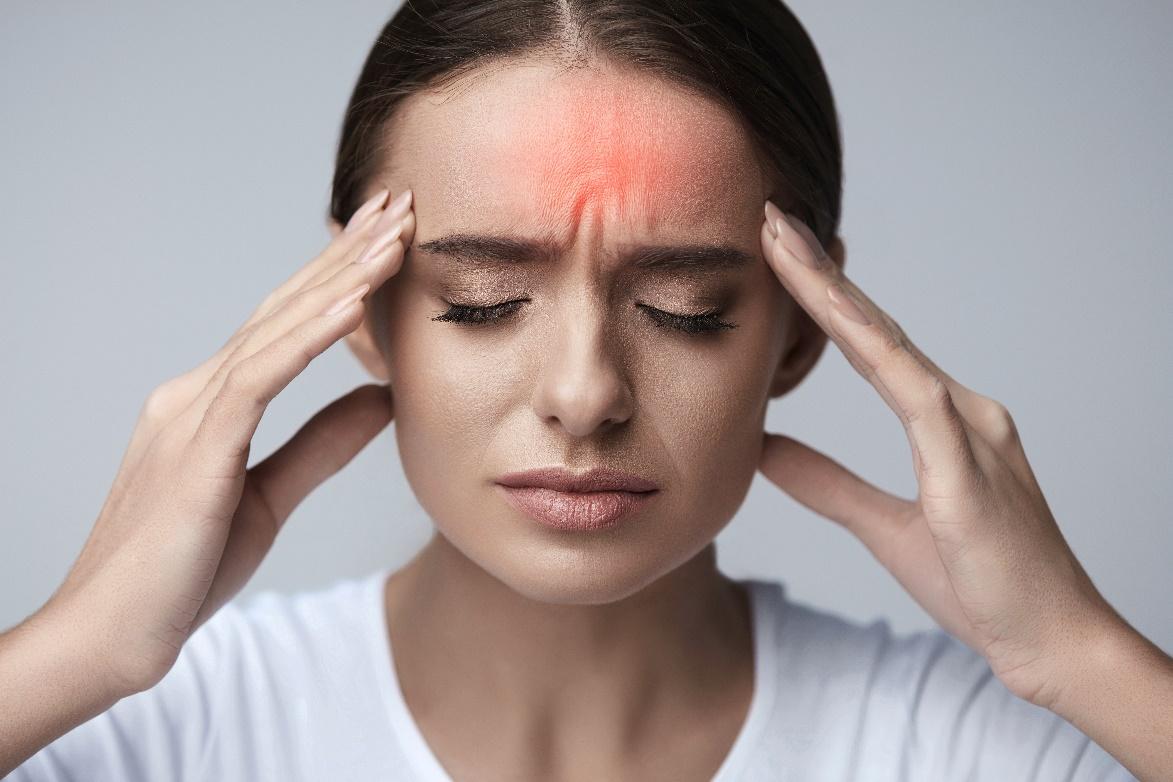
When your head is throbbing, and you just don’t feel one hundred percent, you’re probably suffering from a headache or migraine – but what’s the difference?
Determining if you have a headache or migraine is important, as this can affect how you treat the pain and whether the discomfort will be a one-time thing or a continuous problem.
So, if you’re unsure what the difference is here’s a few key indicators of what to look out for and how best to prevent and treat these common illnesses.
What is a headache?
Headaches are unpleasant pains in your head that cause pressure and aching. The areas where headaches occur are the forehead, temples, and on the back of the neck.
Pain can be mild to severe and usually occurs on both sides of your head, lasting between thirty minutes and a week.
Typically, the most common form of headache is a tension headache, which can be brought on by stress, poor posture, and lack of sleep.
Other types of headaches include:
- Cluster headaches, which are rare serve headaches on one side of the head that occur in a group and last between fifteen minutes to three hours and can happen as often as eight times a day.
- Sinus headaches are also quite common as they accompany sinus infections, colds, and flus. These are often confused with migraines.
- ‘Thunderclap’ headache is one that develops in less than 60 seconds and could be a symptomatic of something more serious.
According to the experts at House Call Doctor, if an extremely painful headache occurs in a short period, you should make sure to seek medical attention as soon as possible.
How to treat a headache?
Headaches can be treated with over the counter medication, such as aspirin and ibuprofen.
If you’re suffering from a serious or chronic headache it’s best to discuss prevent and treatment options with your regular GP.
What causes a headache?
Headaches causes included (but are not limited to) poor sleep quality, stress, muscle strain, anxiety, sinus congestion, head trauma, and more serious conditions such as a stroke or brain tumours.
How do you treat a headache?
Many headaches are caused by stress so taking steps to reduce stress can reduce the frequency and risk of future headaches. Heat therapy (warm shower or compress), massage, meditation, neck stretching, and relaxation exercises can help to prevent headaches.
What is a migraine?
A migraine is an intense headache which often has other symptoms as well as head pain and occurs more frequently than a standard headache.
Symptoms such as nausea, pain behind one eye or ear, pain in the temples, seeing spots and flashing lights, sensitivity to light or sound, dizziness, temporary vision loss, and vomiting are linked to migraines.
Some migraines can have ‘auras’, which refer to the experiences that a person can have before they get a migraine and usually appear 10-30 minutes before the migraine appears. ‘Aura’ symptoms include seeing flashing lights or abnormal lines, numbness or tingling in the face or hands, unusual sense of smell, taste or touch, having trouble thinking and feeling less mentally alert.
Other symptoms can present in the few days leading up to a migraine and these signs can include constipation, depression, irritability, abnormal food cravings, frequent yawning, and neck stiffness.
What causes migraines?
Migraines are triggered by emotional anxiety, contraceptives, alcohol, hormonal changes, and menopause.
They can also be triggered by dietary factors (such as missing a meal or caffeine withdrawal), environment factors – strong smells, weather, and bright, or flickering lights.
Physical factors, like too little or too much sleep, illness, sudden exercise, and relaxation after stress can all cause migraines.
How best to treat a migraine?
There are options available for treating migraines such as taking anti-nausea medication or mild to moderate painkillers and triptans.
Removing yourself from stressful surroundings and sleeping in a dark quiet room are some natural options you can try to relieve the symptoms of your migraine.
How can I avoid getting migraines?
Prevention is the best method of treating migraines. Options for preventing migraines include changing your diet to remove foods known to cause migraines, reducing stress, and taking prescription medication.
Headaches are normally less severe than migraines, and you can use the symptoms above as a guide to determine whether you have a headache or migraine.

